8 min read
Bottom line: San Clemente splits into three lifestyle zones. Coastal (Pier Bowl, North Beach, Southwest, Cyprus Cove/Shore, Riviera District): best for beach access and walkability; the tradeoff is visitor traffic and metered parking. Hills (Rancho San Clemente, parts of Forster Ranch): elevation, views, and ridgeline trails; the tradeoff is more driving. Inland (Marblehead Inland, inland Talega/Forster Ranch): freeway convenience and suburban planning; the tradeoff is no walk-to-beach lifestyle.
If you are trying to choose the right part of San Clemente, one question matters more than almost anything else: what do you want daily life to feel like? This city is not one single experience. Between the coastline, the hills, and the inland planned areas, San Clemente offers very different rhythms depending on where you land. In this guide, you’ll get a simple way to compare those options so you can focus on the neighborhood setting that best fits your lifestyle, priorities, and routine.
How San Clemente Is Structured
San Clemente is the southernmost city in Orange County, and the city describes it as a place shaped by rugged hills, coastal canyons, and coastline. That landscape helps explain why neighborhoods can feel so different from one part of town to another.
The city’s planning framework also makes this easy to see. Its adopted Specific Plans identify major residential areas including Forster Ranch, Marblehead Coastal, Marblehead Inland, Pier Bowl, Rancho San Clemente, Talega, and West Pico. For buyers, these areas generally group into three broader lifestyle categories: coastal, hills, and inland.
Coastal Neighborhoods: Beach Access First
If being close to the beach is your top priority, San Clemente’s coastal neighborhoods usually stand out first. Areas like Pier Bowl, North Beach, the Downtown Core, and portions of El Camino Real west of I-5 offer the strongest connection to the shoreline and a more walkable day-to-day experience. Well-known coastal pockets within this category include Southwest San Clemente, the Pier Bowl, North Beach, Cyprus Shore, Cyprus Cove, The Breakers, Riviera District, Shorecliffs, and Cotton Point.
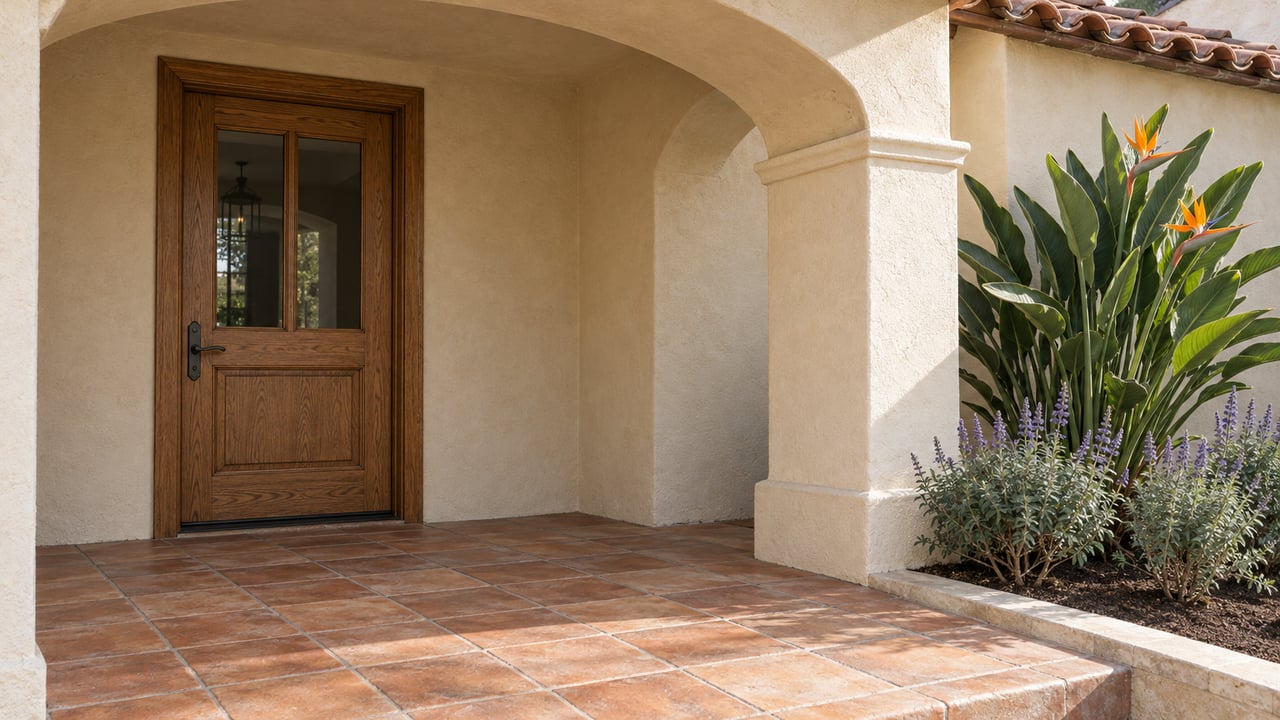
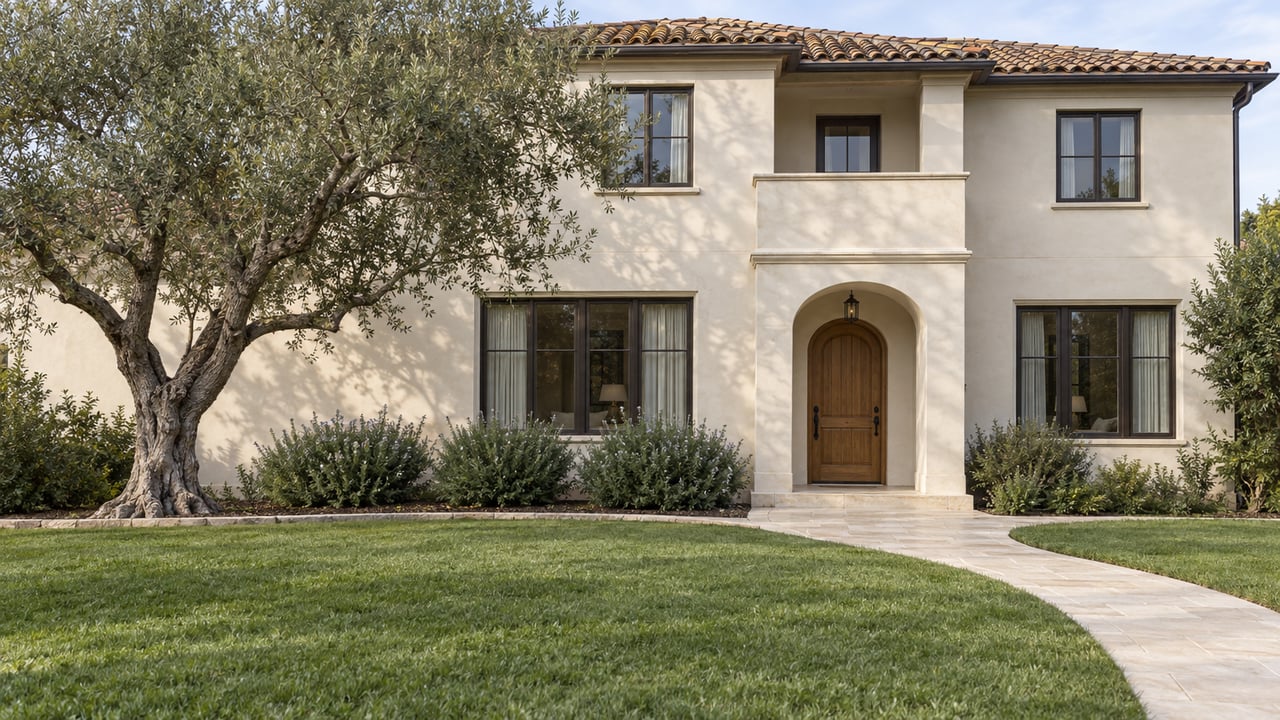
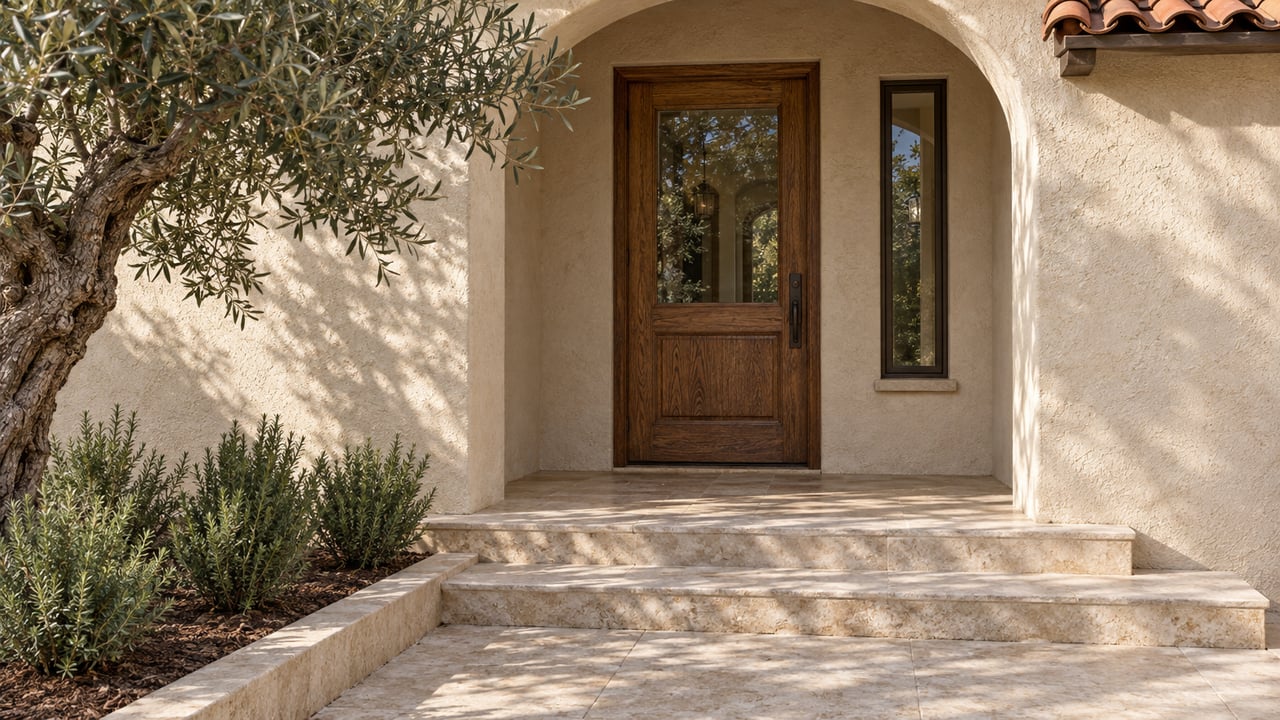
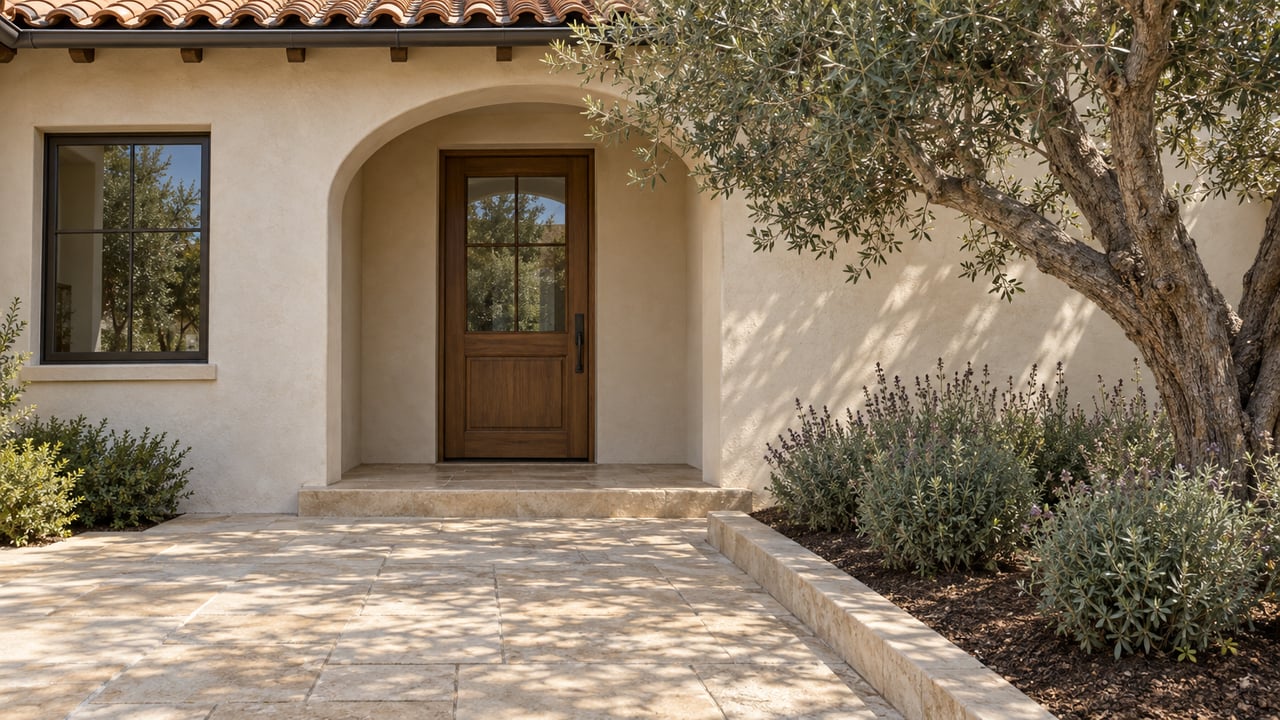
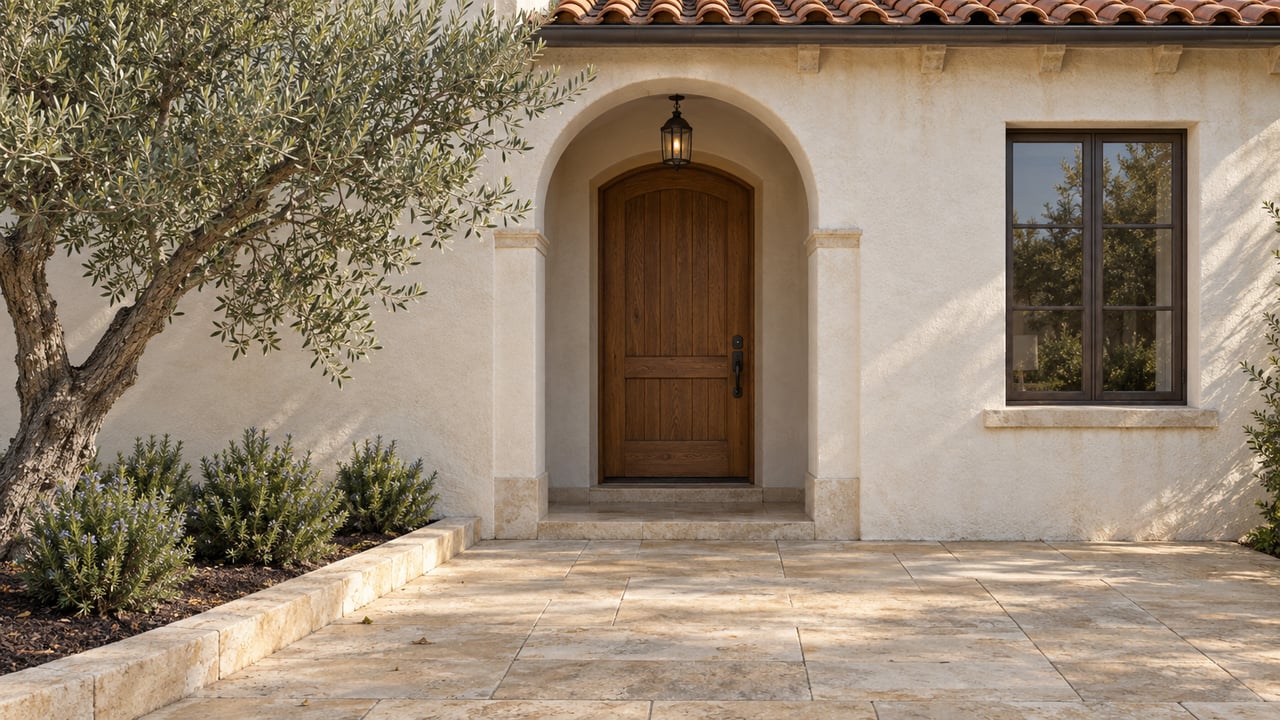
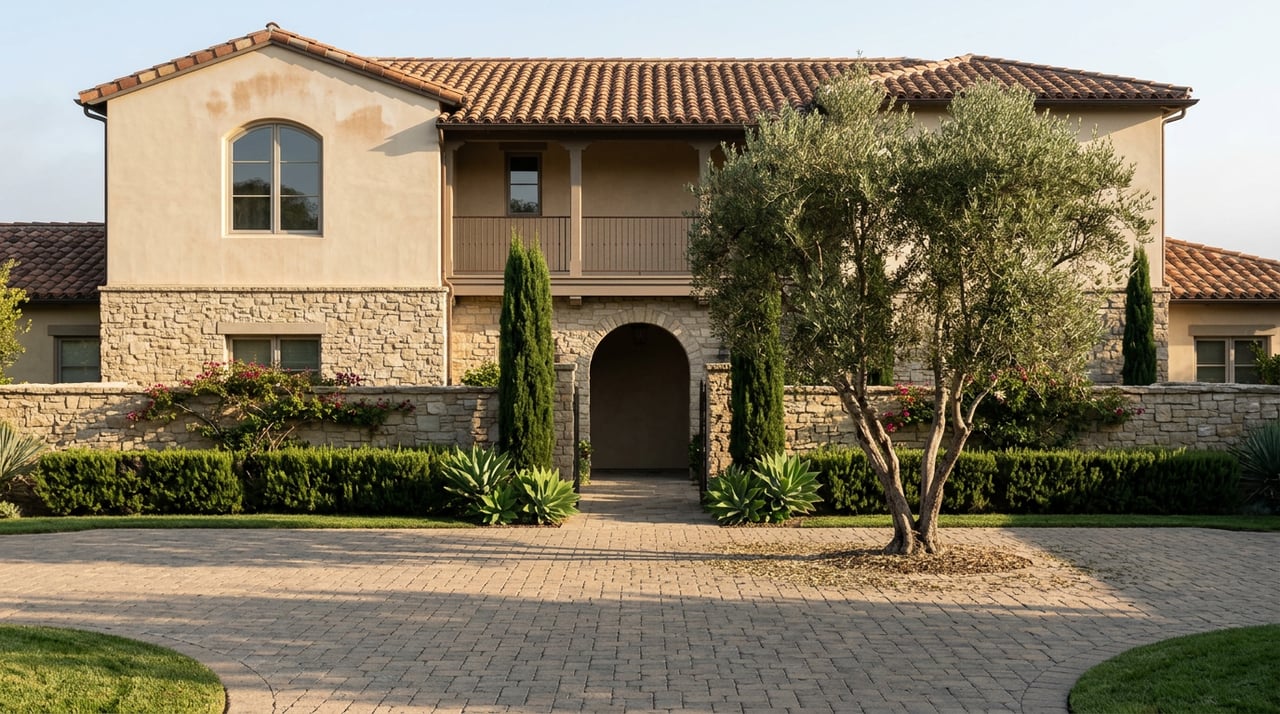
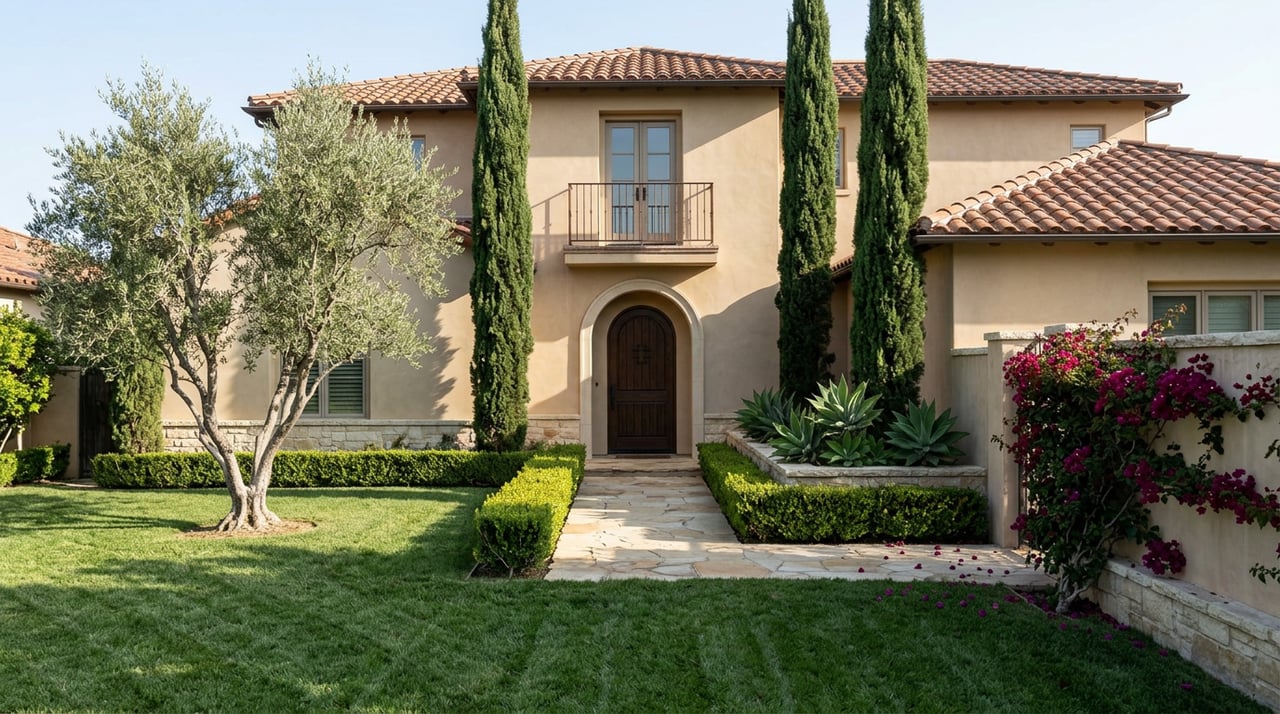
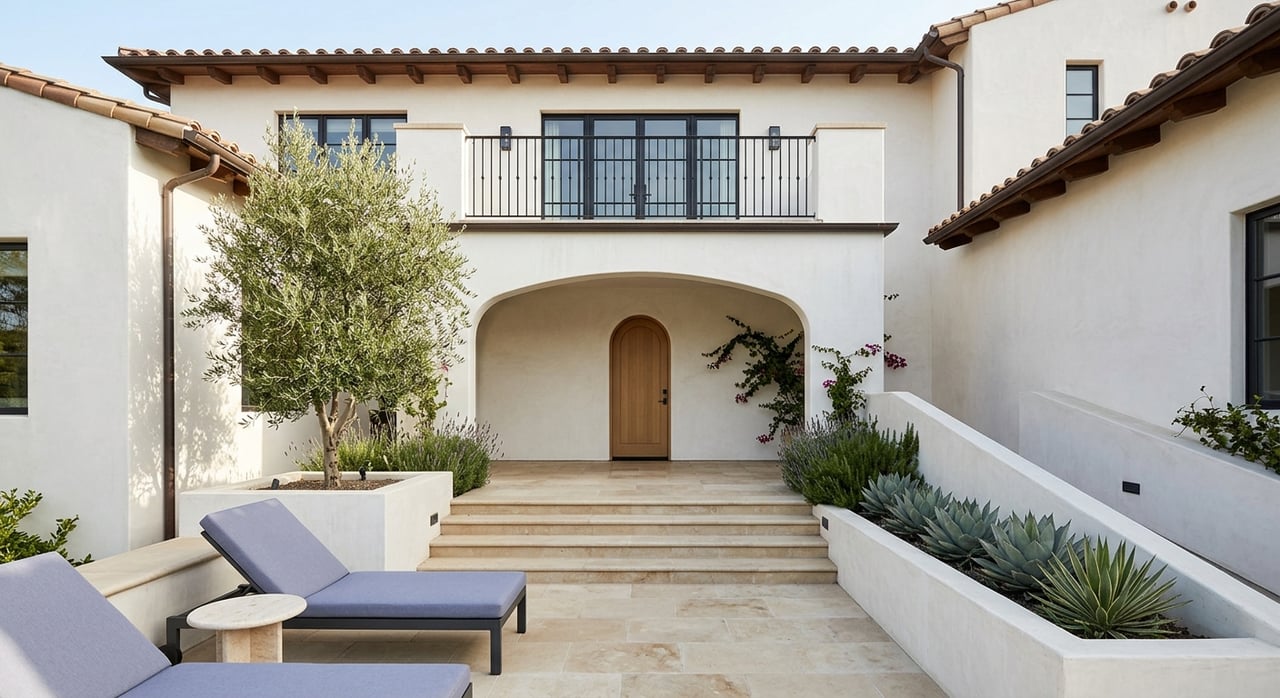
The coastal core is also one of the city’s most design-sensitive areas. San Clemente’s design guidelines aim to preserve the city’s historical and architectural tradition and reflect Hispanic Architecture, which gives many coastal areas a more distinct visual identity.
What Coastal Living Looks Like
In practical terms, coastal living means easier access to the places many buyers picture when they think of San Clemente. The city identifies beach concessions at North Beach, just south of the pier, on the pier, and at T-Street. Downtown San Clemente on Avenida Del Mar also serves as a key civic destination.
Transportation adds to the convenience in the core. OCTA notes that the free San Clemente trolley connects the Outlets at San Clemente, Del Mar Shopping District, and San Clemente Pier to the North Beach Metrolink stop. That makes it easier to move through the coastal area without always relying on your car.
Coastal Tradeoffs to Know
The biggest strength here is simple: you are closer to the sand, shoreline activity, and a more walkable lifestyle. For many buyers, that benefit alone makes the coastal areas the most appealing part of the city.
The tradeoff is that these neighborhoods also tend to feel the impact of beach access patterns more directly. The city meters parking at North Beach, Linda Lane, Parque Del Mar/Pier Bowl, and Esplanade/T-Street, which suggests more visitor activity, parking management, and seasonal traffic in these areas.
A Coastal Example: Marblehead Coastal
Marblehead Coastal shows that coastal living in San Clemente is not limited to the older beach core. According to the city’s project history, this area includes 313 homes, with custom lots roughly 6,000 to 9,600 square feet, and some lots limited to single-story homes.
That example helps show the range within the coastal category. Some areas are centered on walkability and older in-town access, while others blend coastal positioning with more structured residential planning.
Hill Neighborhoods: Views And Separation
If your priority is elevation, outlook, and a more removed setting, the hill communities deserve a close look. Rancho San Clemente is the clearest example in the city’s records and gives buyers a very different feel from the beach-adjacent neighborhoods. Notable hill-oriented areas include the Coast District, Forster Ranch, and Rancho San Clemente.
The city says Rancho San Clemente sits generally southeast of Avenida Pico, about one-half mile inland of I-5, and rises from less than 80 feet to more than 900 feet above sea level. The plan also highlights a primary ridgeline and a prominent knoll visible from many parts of the community.
Why Buyers Like Hill Locations
That topography creates one of the hill area’s biggest advantages: a stronger sense of elevation and visual separation. If you care about views, ridgeline positioning, or a setting that feels a bit removed from the busiest coastal zones, hill neighborhoods may fit better.
San Clemente also says residents and visitors enjoy 6.8 miles of ridgeline trails. That supports the appeal of hill-oriented areas for buyers who want easier access to open-space surroundings and outdoor recreation.
Other Hill-Oriented Communities
Forster Ranch and Talega help round out the hill-to-inland story. Forster Ranch spans 1,982 acres in the northwest part of the city, while Talega covers 3,510 acres in the northeast portion.
Because these are large planned communities organized around internal streets rather than direct beach frontage, they tend to feel more suburban and auto-oriented than the coastal core. For many buyers, that is not a drawback. It is exactly the point.
Inland Neighborhoods: Convenience And Access
If your routine revolves around getting around town efficiently, inland San Clemente may be the strongest fit. Marblehead Inland, Forster Ranch, and inland portions of Talega and Rancho San Clemente are the main places to focus.
These areas usually offer a more conventional suburban pattern. The layout, road network, and planning geography point to neighborhoods designed more around residential circulation and freeway access than beach access.
Key Inland Areas
Marblehead Inland is one of the clearest examples. The city says it is approved for 1,335 dwelling units across 762 acres between Avenida Vista Hermosa, Avenida Pico, Interstate 5, and Camino Vera Cruz.
That geography matters because it shows how closely inland living is tied to major roads and everyday convenience. The West Pico also plays an important transition role from North Beach Village toward I-5 near Avenida Pico.
Why Inland Appeals To Many Buyers
For many homebuyers, the inland advantage is practical. These areas are the most freeway-oriented parts of the city, with plan materials identifying the Avenida Pico and I-5 interchange as primary access for the West Pico.
Other major roads serving inland neighborhoods include Avenida Vista Hermosa, Calle Frontera, Avenida Faceta, Camino La Pedriza, and Avenida Talega. In everyday terms, that often means easier driving patterns and a more predictable suburban layout.
Transit And Getting Around
Transit exists in San Clemente, but it is concentrated more heavily in the core than in the inland neighborhoods. Metrolink lists San Clemente Station at 1850 Avenida Estacion and San Clemente Pier Station at 615 Avenida Victoria, with the Pier Station open only on weekends.
OCTA also shows Route 1 between Long Beach and San Clemente and Route 91 between Laguna Hills and San Clemente. The free San Clemente trolley connects to the Metrolink stop at North Beach and to Route 1, which adds another mobility option for coastal areas.
For buyers, this usually means the coastal zone has the strongest transit connection, while inland neighborhoods tend to work best for people who expect to drive regularly. Hill communities often sit somewhere in between, depending on the exact location.
Comparing Coastal, Hills, And Inland
The best way to compare San Clemente neighborhoods is not by assuming one category is better than another. It is better to think in terms of daily-life priorities.
Here is the simplest way to frame it:
Area Type | Best Fit For | Typical Feel | Main Tradeoff |
|---|---|---|---|
Coastal | Buyers who want beach access and walkability | Active, connected, beach-oriented | More visitor activity, metered parking, and event traffic |
Hills | Buyers who want views, elevation, and separation | Elevated, quieter, open-space oriented | Less direct beach access and more driving |
Inland | Buyers who want freeway access and suburban convenience | Planned, practical, more auto-oriented | Less walk-to-beach lifestyle |
That is why the right neighborhood depends less on labels and more on what matters most to you. If you want the easiest path to the sand, start coastal. If views and a more removed setting matter most, start in the hills. If everyday convenience and roadway access lead your list, inland areas may be the strongest match.
How To Narrow Your Search
When you tour San Clemente, try to evaluate neighborhoods through the lens of your real routine, not just your ideal Saturday. Think about how often you want beach access, how much driving you expect to do, and whether elevation or open-space feel matters to you.
A simple checklist can help:
- Do you want to walk or trolley to beach-area destinations?
- Do you prefer a quieter setting with more separation?
- Is quick freeway access part of your daily routine?
- Do you want a more master-planned neighborhood pattern?
- Are views or ridgeline surroundings high on your list?
The clearer you are on those priorities, the easier it becomes to sort through San Clemente’s many neighborhoods with confidence.
San Clemente works so well for buyers because it offers more than one version of coastal Orange County living. Whether you are drawn to the shoreline, the ridgelines, or the inland planned communities, the goal is to match the neighborhood to the life you actually want to live. If you want experienced guidance comparing San Clemente neighborhoods and finding the right fit, connect with Adam Nelson.
FAQs
What are the main neighborhood types in San Clemente?
- San Clemente is most useful to compare in three broad categories: coastal neighborhoods for beach access and walkability, hill communities for elevation and views, and inland areas for freeway access and suburban convenience.
Which San Clemente neighborhoods are considered coastal?
- Coastal areas include places such as Pier Bowl, North Beach, the Downtown Core, and portions of El Camino Real west of I-5, along with communities like Marblehead Coastal.
What is the advantage of living in San Clemente hill neighborhoods?
- Hill neighborhoods, especially Rancho San Clemente and parts of Forster Ranch and Talega, can offer more elevation, stronger view potential, and easier access to the city’s ridgeline trail environment.
Which San Clemente neighborhoods are best for freeway access?
- Inland areas such as Marblehead Inland, Forster Ranch, and inland portions of Talega and Rancho San Clemente generally have the strongest connection to major roads and the I-5 corridor.
Is public transit available in San Clemente neighborhoods?
- Yes. San Clemente has Metrolink service at San Clemente Station and San Clemente Pier Station, OCTA bus service including Routes 1 and 91, and a free trolley connecting key coastal destinations and the North Beach Metrolink stop.
How should buyers choose between coastal, hill, and inland San Clemente neighborhoods?
- The best approach is to decide what matters most in daily life: beach access and walkability, views and separation, or commute convenience and planned neighborhood layout.
Ready to find your San Clemente home? Browse all San Clemente homes for sale, or explore more South Orange County neighborhood guides on the blog.
Related reading: my guide on prepping a San Clemente coastal home to sell covers the other side of this market, my coastal South OC Mello-Roos guide explains the special tax newer Talega tracts carry, and my free summer trolley guide maps the car-free way around town all summer. You can also browse the San Clemente and Talega neighborhood pages.
Adam Nelson is a REALTOR® with First Team Real Estate (DRE #01308220), a Southern California agent since 1999 with 27+ years and 750+ homes sold, specializing in coastal South Orange County since 2019. Call or text (949) 866-0245.
You can also browse current homes for sale in San Clemente to see what’s on the market.