STAGING & DESIGN · 6 MIN READ
Last updated: July 2026
Bottom line: Luxury is a feeling, not a price point. The homes that feel expensive — whether it's a condo in San Clemente or an ocean-view estate in Laguna Niguel — all do the same seven things: layered lighting, clear windows, greenery, natural texture, one statement piece, repeated materials, and edited details. Most cost very little. If you're selling, it matters even more: 83% of buyers' agents told the National Association of REALTORS® that staging helps buyers picture a home as their own. The honest caveat: presentation supports a sale, it never replaces correct pricing.
After 27 years of walking into homes, I can tell you the strangest secret in real estate: price and luxury don't always live in the same house. I've stood in $800,000 condos that felt like a boutique hotel, and $5 million homes that felt like a storage unit with a view. The difference was never square footage. It was seven choices anyone can make, in any home, at any budget.
Before the seven, do the unglamorous part: deep clean, declutter, depersonalize, and fix the small stuff — the dripping faucet, the scuffed baseboard, anything that smells like anything. Luxury reads as "cared for." No styling survives a dirty or broken house.
A NOTE ON SCENT
The most luxurious smell is no smell at all. Plug-ins, wall fresheners, and heavy candles are not luxury — they're a cover-up, and buyers read them exactly that way. The moment a home smells like vanilla mist, buyers start wondering what's underneath it. Aim for neutral: deep clean the carpets, address pet areas and the kitchen at the source, and air the home out before every showing. A home that smells like nothing smells like it's been cared for.
Why does “feel” matter so much when you sell?
Buyers decide with their gut in the first minute and spend the rest of the showing justifying it. The numbers agree:
83% — of buyers' agents say staging helps buyers picture the home as their own
29% — of sellers' agents report staged homes drew offers 1–10% higher
49% — of sellers' agents say staging shortens time on market
Source: National Association of REALTORS®, 2025 Profile of Home Staging
Layer your lighting
One ceiling light makes a room feel like a waiting room. Three light sources at three heights — a lamp on a console, a floor lamp in a corner, warm light over the island — make the same room feel like a place you never want to leave. Warm bulbs (2700K–3000K), every time.
WHEN YOU'RE SELLING
Turn on every lamp before every showing. A dark corner reads as a small room. Cost: nearly free — bulbs and lamps you already own.
Maximize natural light
In coastal South Orange County, light is the amenity. Pull furniture off the windows, swap heavy drapes for sheers or nothing, and clean the glass until it disappears. Daylight should feel like part of the design.
WHEN YOU'RE SELLING
Professionally cleaned windows are the highest-return $200 you'll spend. Buyers here are buying light and air as much as beds and baths.
Bring in greenery
A few natural elements soften a room instantly — an olive-branch arrangement, a potted plant by the slider, fresh stems on the island. Greenery signals a home that's alive and cared for. Grocery-store eucalyptus costs less than lunch.
WHEN YOU'RE SELLING
One or two live, healthy pieces beat six dusty silk ones. Skip anything obviously fake or dying.
Add rich texture
Flat rooms feel cheap; layered rooms feel expensive. Linen pillow covers, a chunky knit throw, a wool or vintage-style rug, a marble tray or bowl — materials your hand wants to touch. Texture is what separates “furnished” from “designed.”
WHEN YOU'RE SELLING
Texture photographs beautifully. Your MLS photos are your first showing, and layered rooms stop the scroll.
Choose one statement piece
Every memorable room has one thing your eye goes to first: oversized art, a sculptural pendant, a marble coffee table. One anchor makes everything around it feel intentional. The mistake isn't spending too little — it's buying five medium things instead of one good one.
WHEN YOU'RE SELLING
“The one with the brass pendant over the table” is a house that gets a second showing. Give buyers something to remember.
Repeat the materials
The quietest trick on the list, and maybe the most powerful. When wood, stone, linen, or a metal finish shows up more than once, the space feels composed instead of collected. Pick two or three materials and let them echo.
WHEN YOU'RE SELLING
Walk each room and remove whatever breaks the palette. Repetition reads as intention, and intention reads as value.
Edit the details
Luxury is as much about what's not there. A few well-chosen objects per surface; the rest goes away. Clear counters, styled-but-sparse shelves, no cord tangles. A polished room isn't fuller than yours — it's emptier, on purpose.
WHEN YOU'RE SELLING
The step most sellers underdo. Edit until it feels slightly too bare to live in — that's exactly right for photos and showings.
THE COASTAL BONUS
Stage the indoor-outdoor flow
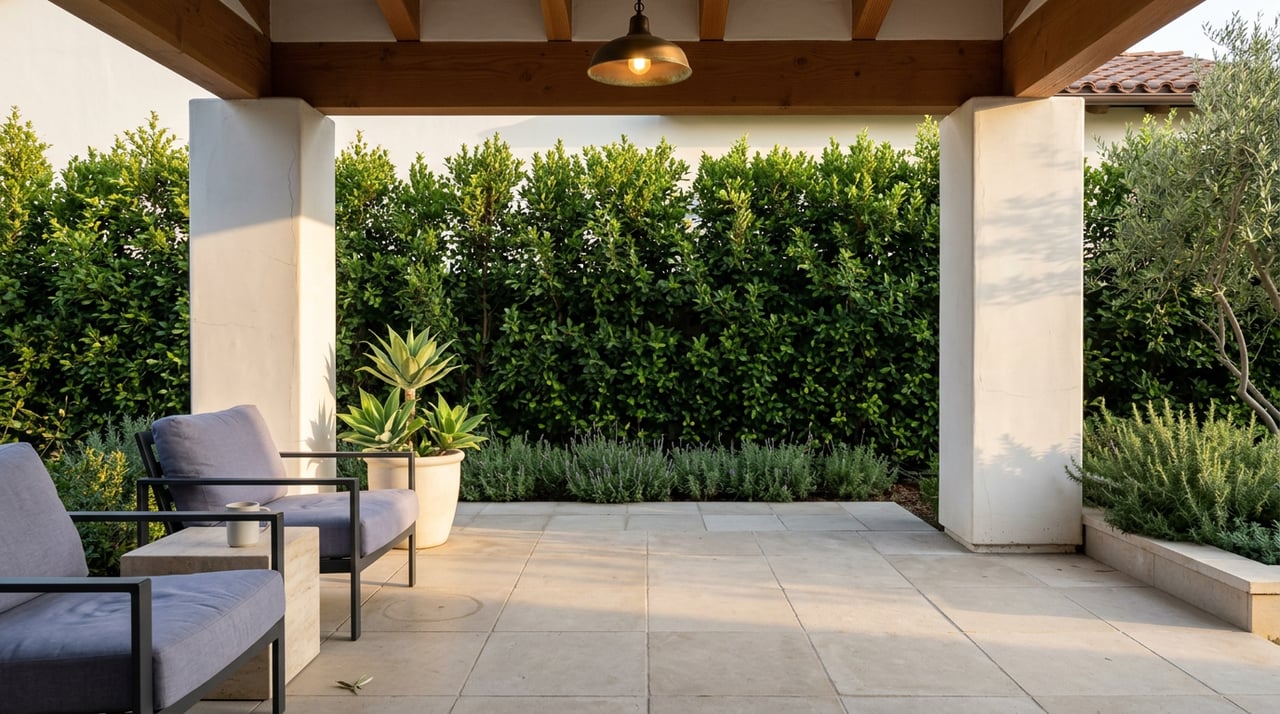
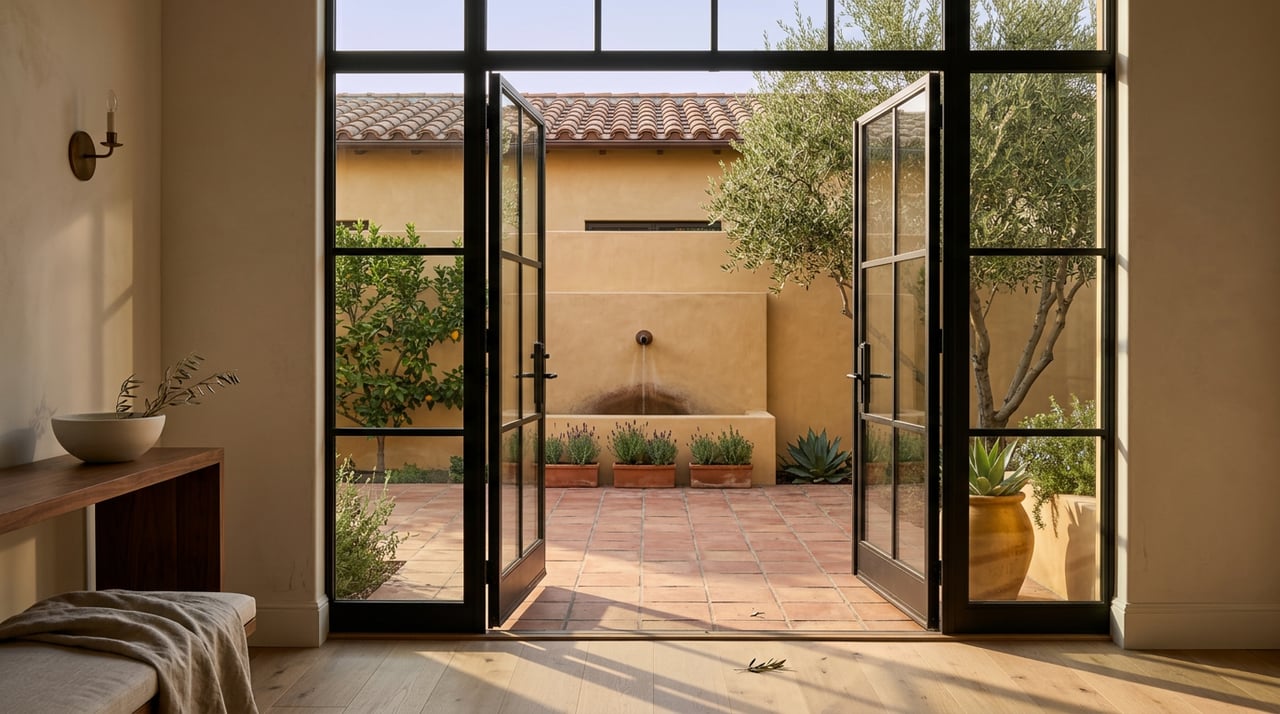
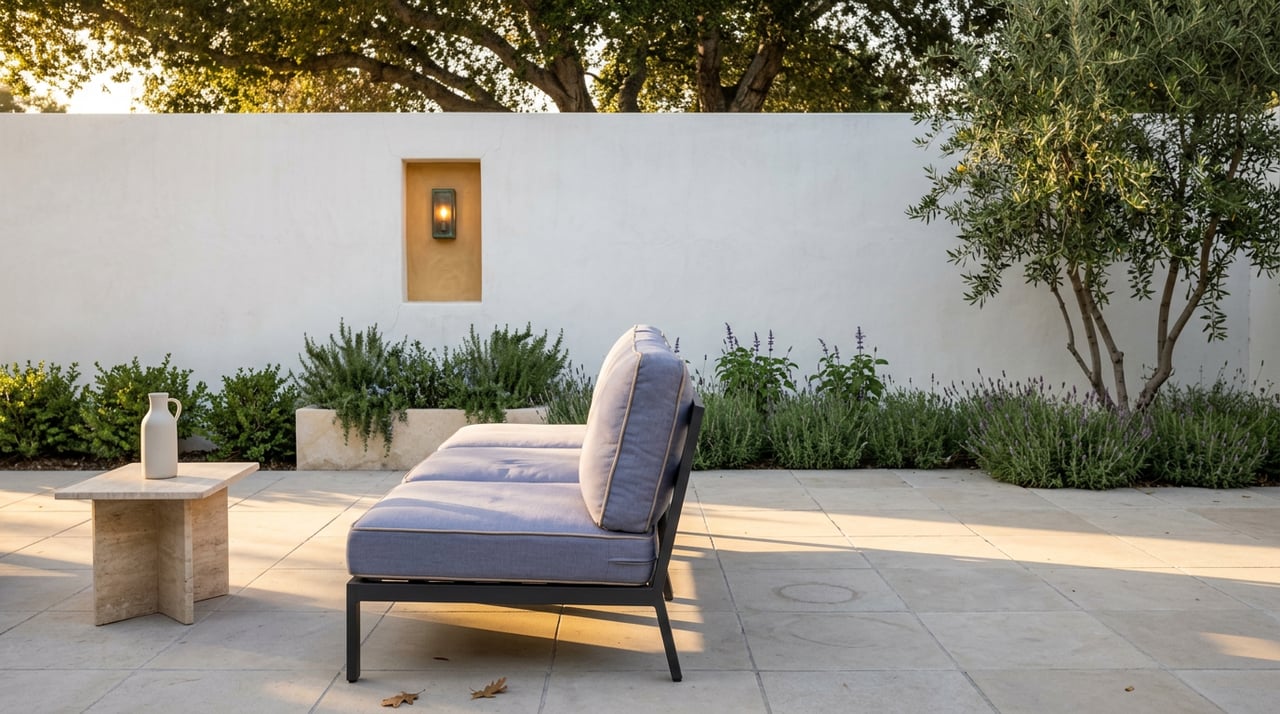
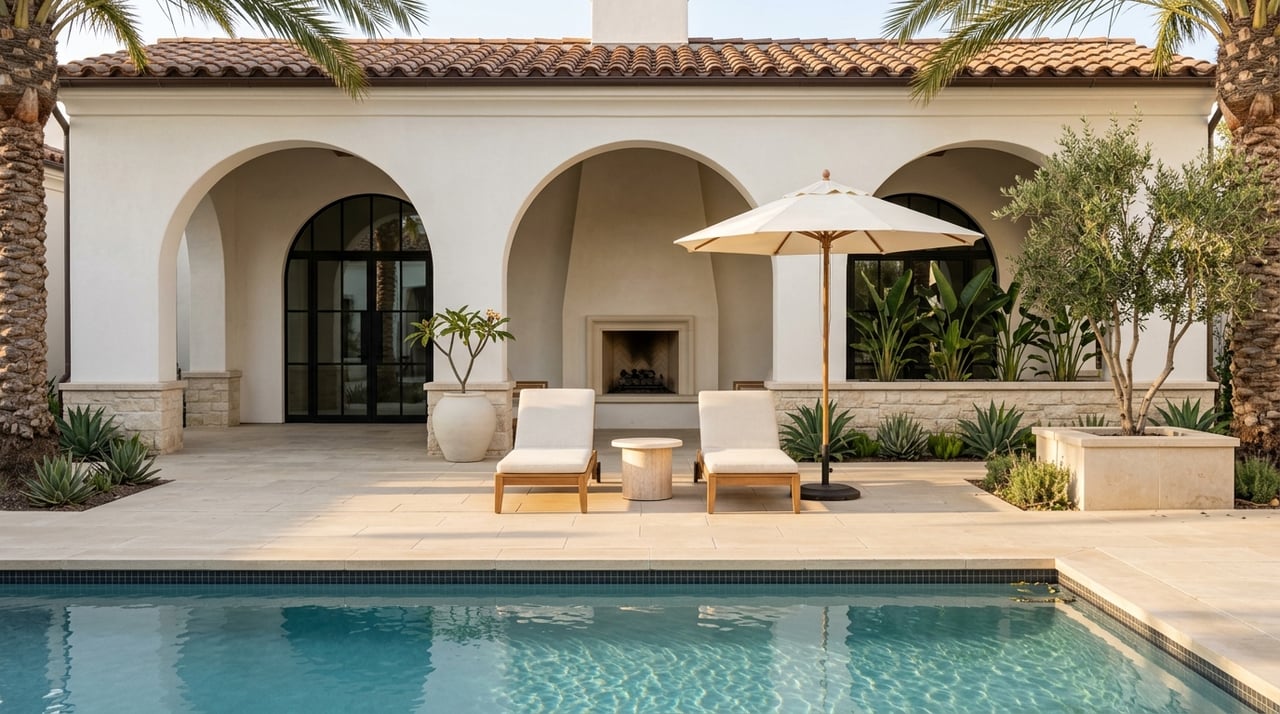
One more move that matters here more than almost anywhere: in coastal South Orange County, the patio is a room. Clean the sliders and leave them open for showings, style the outdoor seating like you style the living room, and keep the view corridor clear from the front door to the water, the hills, or the sky. Buyers from Dana Point to San Clemente are shopping for the indoor-outdoor life — show them where they'll live it.
“Luxury is a feeling, not a price point — and feelings don't check the list price.”
Which rooms matter most when you're staging to sell?
You don't have to do the whole house. Buyers' agents rank where staging matters most:
37% — Living room
the first “feel” moment of nearly every showing
34% — Primary bedroom
buyers want a retreat, not someone else's routines
23% — Kitchen
clear the counters, style one vignette, stop there
Do the seven moves in those three rooms and you've captured most of the value. It's the same conversation I have with sellers from Dana Point to Laguna Niguel to San Clemente — and it pairs with the deeper prep work in how to prep a coastal home to sell fast and the room-by-room palette in the 2026 paint colors that help South OC homes sell. For where the market stands, my latest Coastal South OC Market Pulse has the numbers.
One honest note: staging makes a well-priced home sell faster and occasionally for more. It does not rescue an overpriced one. Presentation and pricing are partners, and I'll always tell you which one is doing the heavy lifting. And when we list your home, none of this falls on you alone — I bring in professional stagers I work with regularly and manage the entire process as part of my listing service.
Frequently Asked Questions
What makes a home feel luxurious without a renovation?
Layered warm lighting, maximized natural light, live greenery, natural textures like linen and wood, one statement piece per room, repeated materials, and heavily edited surfaces. All seven work in any home at any price point, and none requires construction.
Does staging actually help a home sell?
Yes. In the National Association of REALTORS® 2025 Profile of Home Staging, 83% of buyers' agents said staging made it easier for buyers to visualize the property as their future home, 29% of sellers' agents reported staged homes drew offers 1–10% higher, and 49% said staging reduced time on market.
Which rooms should I stage first when selling?
The living room, primary bedroom, and kitchen, in that order. Those are the three rooms buyers' agents rank as most important to stage, and they carry most of a home's first impression in photos and showings.
How much does it cost to make a home feel more luxurious?
Less than most people expect. Warm bulbs, rearranged lamps, window cleaning, grocery-store greenery, and decluttering are nearly free. Linen pillow covers, a textured throw, and one statement piece can stay in the hundreds, not thousands.
What color temperature should light bulbs be for a warm, high-end look?
2700K to 3000K, usually labeled "warm white" or "soft white." Cooler bulbs above 4000K read as commercial and flatten a room. Keep every bulb in a room within the same temperature range so the light feels layered, not mismatched.
Should I use real or artificial plants when staging?
Real wins whenever possible — one or two live, healthy pieces like eucalyptus or olive branches. If you use artificial, choose high-quality stems and keep them dust-free. Anything visibly fake or dying works against the polished feel you're building.
What is the biggest staging mistake sellers make?
Under-editing. Most sellers remove a little clutter and stop. The homes that show best are edited until they feel slightly too bare to actually live in — clear counters, sparse shelves, minimal personal items — which is exactly right for photos and showings.
Do coastal Orange County buyers care more about light than other buyers?
In my experience, yes. In coastal South Orange County — Dana Point, Laguna Niguel, Laguna Beach, San Clemente — buyers are paying for light, air, and the indoor-outdoor feel. Clean windows, unblocked sliders, and sheer or absent window coverings directly showcase what they're buying.
Is professional staging worth it, or can I stage my own home?
The seven principles here are absolutely DIY-able, and for most occupied homes they're enough. Professional staging earns its fee most in vacant homes, where empty rooms photograph small and cold. When a home needs it, I bring in professional home stagers I work with regularly and coordinate everything as part of listing with me. The sourcing, scheduling, and managing is on me, so you never have to figure it out alone.
How much does professional home staging cost?
Staging comes in tiers: a consultation (the most affordable step), "soft staging" for occupied homes (accessories, art, and textiles layered over your own furniture), and full staging for vacant homes, where furniture is rented by the month — which is why vacant costs the most. I won't quote dollar figures because pricing moves and varies by home. What I can tell you: when you list with me, I bring in stagers I work with regularly, manage the whole process, and we decide together which rooms actually earn the spend.
Is virtual staging as effective as physical staging?
Virtual staging can make a vacant home's listing photos work harder online, and it costs far less. The risk is the showing: buyers who loved the furnished photos walk into empty rooms, and the gap can feel like a letdown. For occupied homes, the seven principles here beat virtual staging outright. For vacant homes, I'll give you an honest read on whether physical staging in the key rooms, virtual staging, or a mix serves your sale best.
Does a luxurious feel matter if my home is priced under $1 million?
Arguably it matters more. At lower price points buyers are comparing more inventory, and the home that feels composed and cared-for stands out immediately. Luxury is a feeling, and feelings don't check the list price.
Sources
- National Association of REALTORS® — 2025 Profile of Home Staging (May 2025)
- NAR Research — Profile of Home Staging report hub
Adam Nelson is a REALTOR® with First Team Real Estate (DRE #01308220), a Southern California agent since 1999 with 27+ years and 750+ homes sold, specializing in coastal South Orange County since 2019. Call or text (949) 866-0245.
Thinking about selling and want a room-by-room walkthrough of what your home needs (and what it doesn't)? Give me a call: (949) 866-0245.