8 min read
Bottom line: Mission Viejo is a resale-driven, HOA-heavy market — roughly 85% single-family with 77% owner-occupancy. If you’re buying your first home here, verify Lake Mission Viejo membership on the specific property (it’s tied to the home and paid twice a year), budget 2–5% closing costs on top of your 3–5%+ down payment, expect a 1–3% earnest money deposit, and be ready to move fast once you’re in contract. Always review the full HOA disclosure package before writing an offer.
Thinking about buying your first home in Mission Viejo? You are not alone, and you are probably wondering how this market really works once you move past the online search. From property types and HOA details to escrow timelines and closing costs, knowing what to expect can help you make smarter decisions and avoid surprises.
Mission Viejo Housing Basics
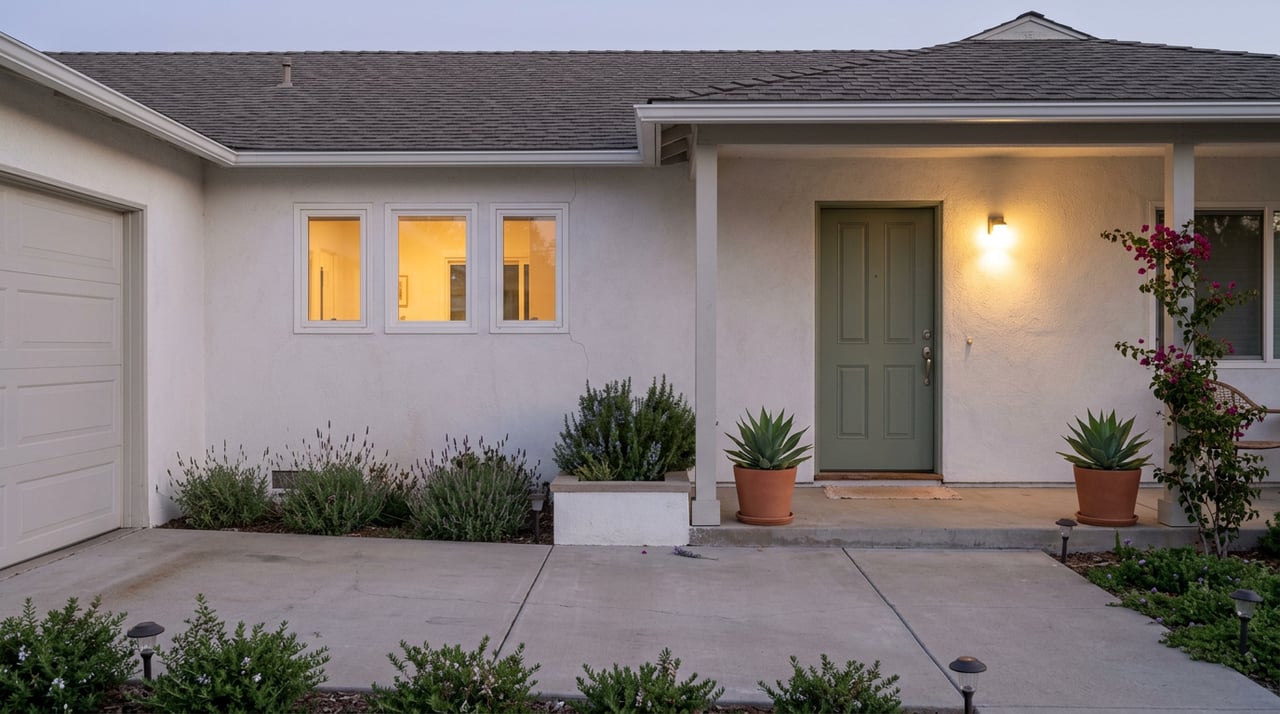
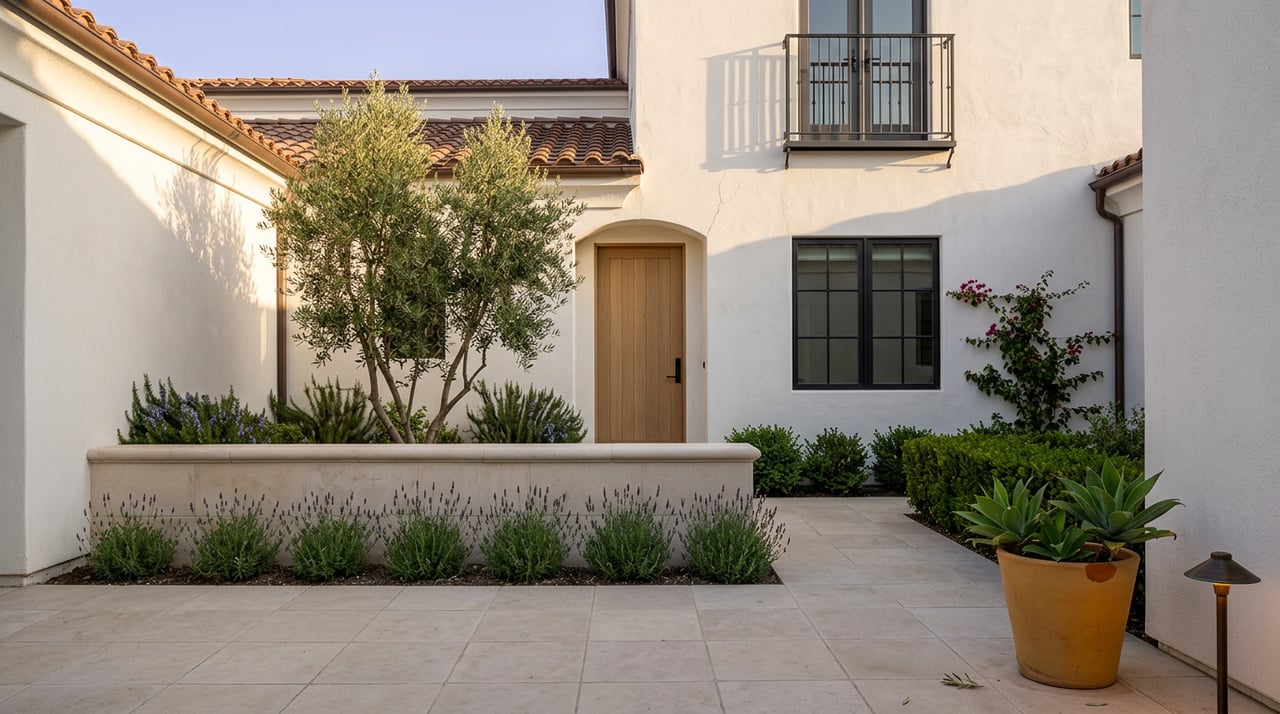
If you are buying in Mission Viejo for the first time, it helps to know what the city’s housing mix looks like. As of January 1, 2024, Mission Viejo had 35,301 housing units, and about 85% of the housing stock consisted of one-unit structures. That means you will mostly see detached single-family homes, along with attached condos and townhomes, and a smaller number of multifamily options.
Mission Viejo also has a high owner-occupancy rate, with 77.2% of homes owner-occupied. For you as a first-time buyer, that often means a resale-driven market where careful property review matters. Many homes may have been lived in for years, so inspections, disclosures, and condition details become especially important.
What Home Types You Can Expect
Your options in Mission Viejo will usually fall into a few common categories. Single-family homes make up a large share of the housing stock, but condos and townhomes can also be a practical entry point depending on your budget and goals.
If you want lower maintenance, an attached home may offer a more manageable starting point. If you want more space, yard area, or privacy, a detached home may be a better fit. The right choice depends on your finances, lifestyle, and how comfortable you are with monthly ownership costs.
Why HOAs Matter Here
One of the biggest things first-time buyers should expect in Mission Viejo is a strong HOA presence. This is not a detail to gloss over. In many cases, HOA rules, fees, and community amenities can affect both your monthly budget and your day-to-day ownership experience.
The California Department of Real Estate advises buyers to ask about HOA dues and any special taxes or assessments before they buy. That is especially important in Mission Viejo, where HOA-related questions can come up early and often during the process. If a home is part of an association, you will want to understand the costs, restrictions, and documents before moving forward.
Lake Mission Viejo Membership Questions
Lake Mission Viejo is a major example of why HOA due diligence matters locally. The Lake Mission Viejo Association includes more than 25,000 properties, and most, though not all, single-family homes and condos in the city are part of the association or eligible for membership. Membership stays with the property when it is sold, and owners pay an assessment twice a year.
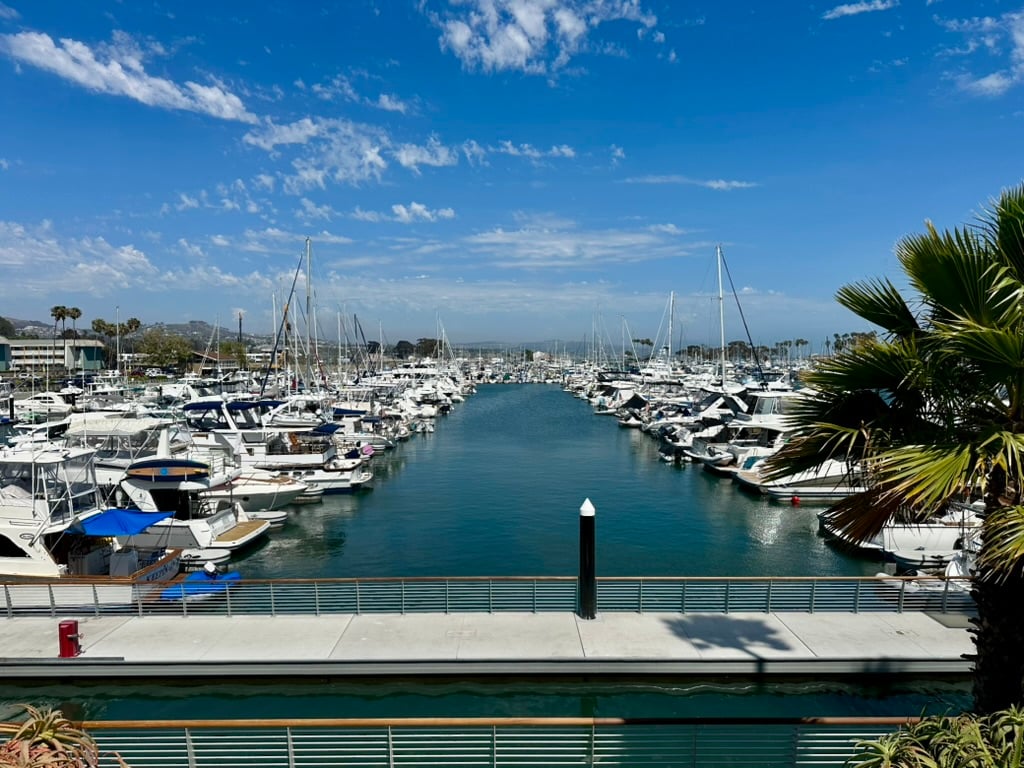
The lake is a private recreational facility for members, invited guests, or designated tenants. Amenities include a 125-acre lake, two swimming beaches, a marina with rental vessels and personal-watercraft storage, a fishing area, picnic and park space, a play structure, a clubhouse, and concerts and special events.
That said, not every property has the same relationship to the lake. Before you write an offer, you should verify whether a specific address is a member property or eligible for membership. It is a simple question that can make a meaningful difference in both value and lifestyle.
HOA Documents Deserve Careful Review
In California, an HOA sale comes with a disclosure package, and this is a core part of your due diligence. The package includes governing documents, recent association documents, current assessments and unpaid balances, unresolved violation notices, and rental restrictions if any. Additional board minutes and inspection-related materials may also be required or requested.
For a first-time buyer, this can feel like a lot of paperwork. Still, it is worth slowing down and reviewing it carefully. These documents can affect your costs, your use of the property, and your understanding of any issues already known within the association.
What To Include In Your Offer
Writing an offer is not just about price. The California Department of Real Estate advises buyers to include any contingencies or special conditions they want in the contract. These can include loan qualification, seller repairs, pest control inspections, home inspections, and home warranty coverage.
A financing contingency and an inspection contingency are especially important for many first-time buyers. These terms can help protect you if the loan does not come together as expected or if the property condition raises concerns. The exact terms are negotiable, so your contract should reflect your comfort level and priorities.
Earnest Money And Early Deadlines
Once your offer is accepted, the timeline usually starts moving fast. In California, earnest money is typically about 1% to 3% of the total home price. It is a good-faith deposit that can usually be applied toward your down payment or closing costs if the sale closes.
The California Department of Real Estate describes several early deadlines that are common in practice. A sample contract timeline looks like this:
- ~3 days: get the earnest money deposit to escrow
- ~7 days: complete the loan application and provide verification of funds
- ~17 days: inspect and investigate the property
- Within 5 days of closing: final verification inspection / walk-through
These timelines can be negotiated, but the main takeaway is simple. You should expect the first few weeks to be document-heavy and deadline-driven. Preparation matters.
Why Preapproval Helps
Before you shop seriously, getting preapproved can put you in a stronger position. A preapproval shows sellers that a lender is willing to lend to you pending further confirmation. It is not the same as a full loan application, and it does not commit you to that lender.
That flexibility matters. You can still compare lenders and decide after receiving official Loan Estimates. For first-time buyers, preapproval is often one of the best ways to understand your realistic budget before you start making offers.
Budget Beyond The Down Payment
A lot of first-time buyers focus on the down payment and forget the rest. In most cases, buyers need at least 3% down, and many loans and lenders require 5% or more. Closing costs also typically run about 2% to 5% of the purchase price.
You should also set aside money for moving costs, repairs, and home improvements. In Mission Viejo, that planning is especially useful if you are buying a resale home or a property with HOA costs. A clear budget helps you shop with confidence and keeps your monthly payment expectations grounded.
What Escrow Looks Like In California
In Southern California, escrow typically opens after the purchase agreement is signed and the earnest money deposit is made. The escrow holder then helps coordinate contract conditions, title work, and the disbursement of funds. In California practice, escrow commonly begins once buyer and seller agree to the sale terms.
For you, this means the purchase process has a middle stage where many moving parts come together. Escrow is where deadlines, lender work, title review, and document coordination all start to align. It can feel busy, but a clear process makes it manageable.
What Happens Between Contract And Closing
After your offer is accepted, expect a series of next steps. You will likely respond to lender document requests, schedule a home inspection, move through the appraisal process, shop for homeowner’s insurance, review title insurance options, and look at revised loan estimates if anything changes.
Before closing, you should complete a final walk-through and review all documents carefully. If important loan terms change, federal rules can require a new Closing Disclosure and a fresh three-business-day review period. That is one more reason not to leave everything to the last minute.
Documents To Keep After Closing
Once the sale is complete, keep your important records in a safe place. Key documents include the Closing Disclosure, promissory note, mortgage or deed of trust, and deed.
This may not feel urgent on move-in day, but it matters later. Good recordkeeping can make it easier if you refinance, sell, or simply need to confirm ownership and loan details.
What First-Time Buyers Should Remember
Mission Viejo can be a great place to buy your first home, but it helps to go in with clear expectations. You will likely be looking at a resale market with a strong mix of detached homes and attached options, a meaningful HOA presence, and a transaction process that moves quickly once you are in contract.
The biggest advantages come from being prepared. If you understand HOA documents, verify property-specific lake membership status, budget for more than just the down payment, and stay ahead of escrow deadlines, you will be in a much stronger position to buy with confidence.
If you are planning your first home purchase in Mission Viejo and want steady guidance through each step, Adam Nelson can help you navigate the process with clarity, strong local knowledge, and a client-first approach.
FAQs
What types of homes do first-time buyers usually find in Mission Viejo?
- First-time buyers in Mission Viejo will mostly find detached single-family homes, along with condos and townhomes, because about 85% of the city’s housing stock is made up of one-unit structures.
What should first-time buyers know about HOAs in Mission Viejo?
- First-time buyers should expect many Mission Viejo properties to have HOA involvement, which means reviewing dues, assessments, rules, and disclosure documents carefully before closing.
How does Lake Mission Viejo membership work for homebuyers?
- Lake Mission Viejo membership is tied to the property, not the owner, so you should verify whether a specific home is a member property or eligible for membership before writing an offer.
How much earnest money do first-time buyers usually put down in California?
- In California, earnest money is typically about 1% to 3% of the purchase price and is generally applied toward your down payment or closing costs if the transaction closes.
What closing costs should first-time buyers budget for in Mission Viejo?
- First-time buyers should generally budget closing costs of about 2% to 5% of the purchase price, in addition to the down payment, moving costs, repairs, and possible HOA expenses.
What happens during escrow for a Mission Viejo home purchase?
- During escrow, the escrow holder helps coordinate the contract terms, title work, deadlines, and fund disbursement while you complete inspections, lender requirements, and final document review.
Related reading: my coastal South OC Mello-Roos guide explains the special tax some newer communities carry, my post on whether buying is still a smart move walks through the ownership math, and my Aliso Viejo condo and townhome guide covers the attached-home option one city over. You can also browse the Mission Viejo and Laguna Niguel neighborhood pages.
Adam Nelson is a REALTOR® with First Team Real Estate (DRE #01308220), a Southern California agent since 1999 with 27+ years and 750+ homes sold, specializing in coastal South Orange County since 2019. Call or text (949) 866-0245.
You can also browse current homes for sale in Mission Viejo to see what’s on the market.